
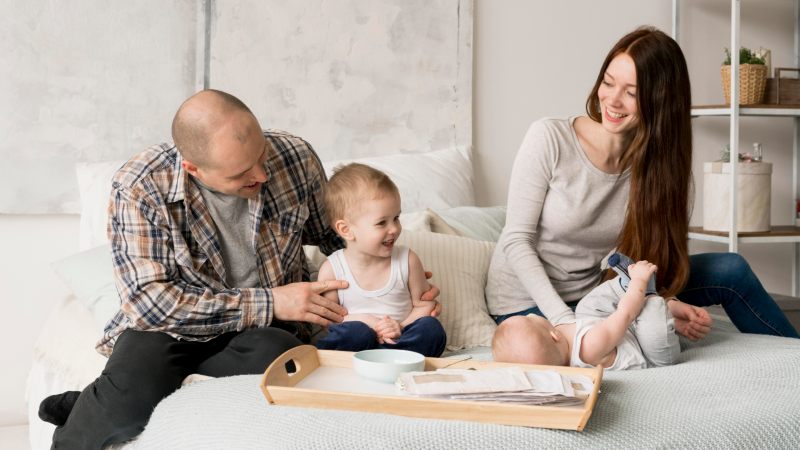
Parenting is a rewarding experience, but it also comes with responsibilities, challenges, and countless decisions. From managing daily routines to supporting children’s emotional development, parents often look for practical guidance that fits their family’s needs. Developing healthy habits, maintaining open communication, and creating a supportive home environment can make everyday parenting more manageable.
Fpmomlife advice tips by famousparenting offers a useful topic for exploring family routines, positive parenting methods, child development, and the importance of balancing personal well-being with family responsibilities. By focusing on simple, realistic strategies, parents can develop stronger relationships with their children while creating a home where everyone feels valued and understood.
Understanding the Importance of Positive Parenting
Positive parenting focuses on building trust, encouraging good behavior, and helping children learn from their experiences. Instead of relying entirely on punishment, parents can guide children through patience, clear expectations, and consistent support.
Children benefit when they know their parents are available to listen and help. A calm response to difficult behavior can also teach important lessons about managing emotions and solving problems.
For example, when a child refuses to complete a task, a parent can explain why the task matters and offer a manageable first step. This approach encourages cooperation while helping the child develop responsibility.
Positive parenting does not mean allowing every behavior. Children still need boundaries, rules, and consequences appropriate to their age. The goal is to establish these limits respectfully and consistently.
Create a Consistent Daily Routine
A predictable routine helps children understand what to expect throughout the day. Regular times for waking up, eating meals, completing homework, playing, and sleeping can reduce uncertainty and make family life more organized.
Establish Morning Habits
Mornings can become stressful when everyone is rushing to get ready. Parents can reduce pressure by preparing school bags, clothing, lunches, and other essentials the night before.
A simple morning checklist can help children remember their responsibilities. Younger children may benefit from picture-based reminders, while older children can manage written lists independently.
Make Evenings More Relaxed
Evening routines provide an opportunity to reconnect after a busy day. Families can enjoy dinner together, discuss daily experiences, prepare for the following morning, and establish a calming bedtime routine.
Consistency matters more than perfection. Some days will not go according to plan, and that is normal. Families should adjust their schedules when necessary without treating every disruption as a failure.
Improve Communication Between Parents and Children
Healthy communication is one of the foundations of a strong family relationship. Children need opportunities to express their thoughts, share their worries, and ask questions without feeling embarrassed or ignored.
Parents can encourage open conversations by listening carefully and avoiding immediate criticism. When children describe a problem, it can help to acknowledge their feelings before offering advice.
For instance, a child who feels disappointed about a school result may need reassurance before discussing ways to improve. Recognizing the child’s emotions helps create an environment where honest conversations feel safe.
Practice Active Listening
Active listening means giving children attention when they speak. Put away distracting devices, maintain a welcoming attitude, and ask questions that encourage them to explain their experiences.
Parents do not always need to solve a problem immediately. Sometimes, children simply want to feel understood. Asking whether they want advice or just someone to listen can make conversations more helpful.
Use Age-Appropriate Language
Children understand information differently at different stages of development. Simple explanations are usually more effective for younger children, while older children may be ready for more detailed discussions.
Clear communication helps children understand family expectations and gives them opportunities to participate in decisions that affect their daily lives.
Encourage Learning Through Everyday Activities
Learning does not happen only in classrooms. Everyday experiences provide opportunities for children to develop curiosity, creativity, and practical skills.
Cooking together can introduce basic mathematics, reading recipes can improve language skills, and gardening can teach children about plants and the natural environment. Board games and puzzles can strengthen problem-solving abilities while encouraging patience.
Parents can support learning by asking questions rather than always providing answers. For example, when building something with blocks, ask children what might happen if they change the design. This encourages experimentation and independent thinking.
Reading together is another valuable habit. Choose books that match a child’s interests and reading level, then discuss the characters, events, and lessons. These conversations can support language development and emotional understanding.
The most important goal is to make learning enjoyable rather than turning every activity into a formal lesson.
Set Healthy Boundaries and Expectations
Children feel more secure when they understand household rules and know that expectations are applied fairly. Boundaries help them learn self-control, respect, and responsibility.
Parents should establish a small number of clear rules covering important areas such as safety, respectful behavior, screen use, and household responsibilities.
Explain the reasons behind rules whenever possible. Children are more likely to understand expectations when they know how those expectations protect their well-being or help the family function smoothly.
Respond to Misbehavior Constructively
Children sometimes break rules, lose their temper, or refuse to cooperate. Instead of reacting with harsh words, parents can address the behavior calmly and explain what needs to change.
Consequences should be reasonable, related to the behavior, and appropriate for the child’s age. If a child leaves toys scattered around, for example, helping tidy the play area may be a suitable response.
Parents should also recognize positive behavior. Specific praise, such as thanking a child for sharing or completing a task independently, reinforces the actions they want to encourage.
Support Children’s Emotional Well-Being
Emotional development is an important part of childhood. Children experience happiness, frustration, sadness, excitement, and fear, but they may not always know how to describe these feelings.
Parents can help by naming emotions and showing children healthy ways to respond. Taking slow breaths, talking about a problem, drawing, or spending a few quiet minutes together can help children manage difficult moments.
It is also important to teach children that all feelings are acceptable, even when certain actions are not. Feeling angry is normal, but hurting someone or damaging belongings is not an appropriate way to express that anger.
Family members can model emotional regulation by acknowledging their own mistakes and demonstrating respectful ways to handle disagreements. When parents apologize after losing patience, they show children that accountability is an important part of healthy relationships.
Balance Screen Time With Family Activities
Digital devices can support education, communication, and entertainment. However, excessive or poorly managed screen use may interfere with sleep, physical activity, family interaction, and other important routines.
Parents can establish screen-time expectations that reflect their children’s ages, individual needs, and family circumstances. It is helpful to create device-free periods during meals, family conversations, and bedtime preparations.
Encourage children to participate in activities away from screens, including outdoor play, drawing, sports, reading, music, and imaginative games.
Parents should also demonstrate balanced technology habits themselves. Children are more likely to follow household expectations when adults make an effort to put their devices aside during family time.
Rather than focusing only on restrictions, explain the value of maintaining different interests and spending time with people in person.
Take Care of Yourself as a Parent
Parenting requires time, energy, patience, and emotional commitment. When parents continually ignore their own needs, everyday responsibilities can become more difficult to manage.
Self-care does not have to involve expensive activities or long breaks. Getting adequate rest, eating regular meals, taking a short walk, enjoying a hobby, or speaking with a trusted friend can help parents maintain their well-being.
Sharing responsibilities with a partner or other trusted family members can also reduce pressure. Parents should discuss household duties openly and seek practical support when they need it.
The ideas behind fpmomlife advice tips by famousparenting can be applied with an understanding that every family has different circumstances. Some households have flexible schedules, while others manage demanding jobs, financial pressures, or limited support.
There is no single routine that works for everyone. Parents should choose realistic strategies that suit their resources, values, and children’s needs.
Build Stronger Family Connections
Strong family relationships develop through regular attention and shared experiences. Small moments of connection can be just as meaningful as major celebrations or planned outings.
Families might set aside time each week for a board game, a shared meal, a walk, or a conversation about everyone’s favorite moment of the week. These activities create opportunities to communicate and enjoy one another’s company.
Parents can also involve children in age-appropriate household responsibilities. Preparing a meal together, organizing a room, or planning a family activity encourages cooperation and teaches useful life skills.
Respecting each family member’s individuality is equally important. Children have different interests, personalities, and learning styles. Supporting these differences helps them develop confidence while strengthening trust within the household.
When disagreements occur, focus on finding solutions rather than deciding who is to blame. Cooperative problem-solving teaches children that conflicts can be handled with patience and respect.
Conclusion
Parenting becomes more manageable when families focus on practical routines, open communication, healthy boundaries, emotional support, and shared experiences. Small improvements introduced consistently can help children develop confidence, responsibility, and stronger relationships with the people around them.
Fpmomlife advice tips by famousparenting provides a useful starting point for considering everyday parenting strategies that encourage a more balanced and supportive home environment. Parents can adapt these ideas to their children’s ages, family schedules, and individual circumstances.
Remember that effective parenting does not require perfection. It involves learning from mistakes, remaining willing to adjust, and building trust through everyday actions. By prioritizing connection, encouraging independence, and taking care of their own well-being, parents can create a family environment where both adults and children have opportunities to grow.